Teeth Grinding (Bruxism) Treatment
Learn more about teeth grinding (bruxism) treatment options.
Book Free ConsultationWhat Is Bruxism and How Can You Recognise It?
Teeth grinding and clenching can often occur without you being aware of it. Recognising the signs early is important for assessing any effects on the teeth, jaw and surrounding muscles.
How Does Bruxism Occur?
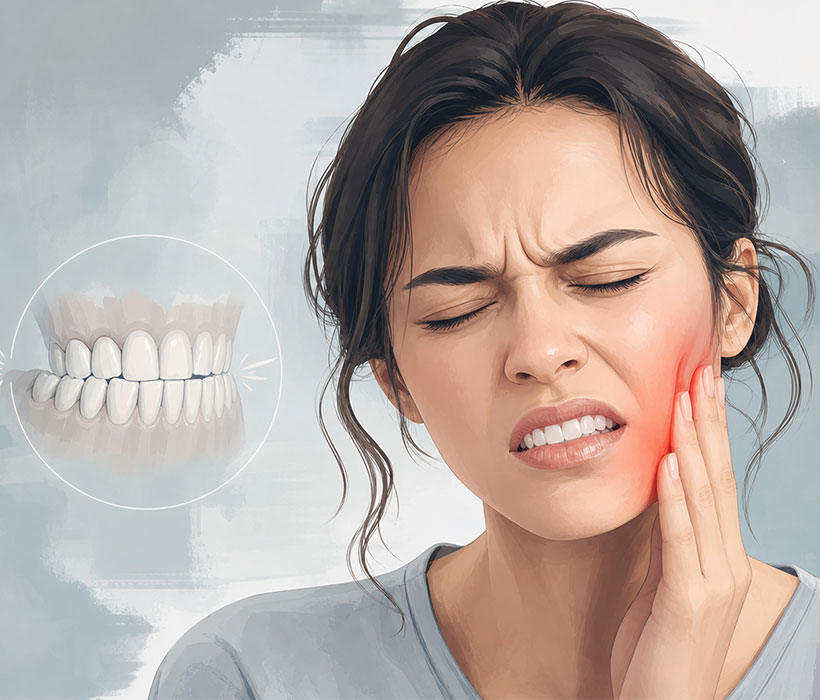
Bruxism is the involuntary clenching or grinding of the teeth. It can occur unconsciously during the day or while you are asleep.
Sleep bruxism often goes unnoticed. Jaw fatigue or muscle tension on waking, as well as changes to the tooth surfaces over time, may be among the first signs.
Common Signs of Bruxism
Why Is a Clinical Assessment Important?
These symptoms can also have other causes. When assessing bruxism, your dentist will consider tooth wear, the jaw muscles, existing dental restorations and other clinical findings together.
How Can Teeth Grinding Affect the Teeth and Jaw?
Repeated teeth grinding and clenching can place excessive pressure on the teeth, dental restorations and chewing muscles over time.
Tooth Wear
Repeated grinding and clenching forces can gradually wear down tooth enamel, flatten the biting surfaces and cause the teeth to appear shorter over time.
Risk of Cracks and Fractures
Heavy clenching forces can place additional stress on natural teeth as well as fillings, crowns and other dental restorations. In some people, this may increase the risk of cracks or fractures.
Muscle Tension and Fatigue
Prolonged activity of the jaw muscles can lead to fatigue, stiffness or tenderness, particularly around the jaw and facial muscles on waking.
Head and Facial Discomfort
In some people, significant tension in the chewing muscles may be accompanied by headaches, facial discomfort or tenderness around the jaw.
How Is Teeth Grinding and Clenching Treated?
Bruxism treatment is not the same for everyone. During your assessment, tooth wear, existing dental restorations, jaw muscles, bite and any symptoms you are experiencing are considered together.
Your treatment plan is tailored to help protect the teeth and reduce existing symptoms. Factors that may contribute to bruxism, such as sleep, stress, certain medications or other underlying factors, may also be considered where appropriate.
Custom-Made Night Guard
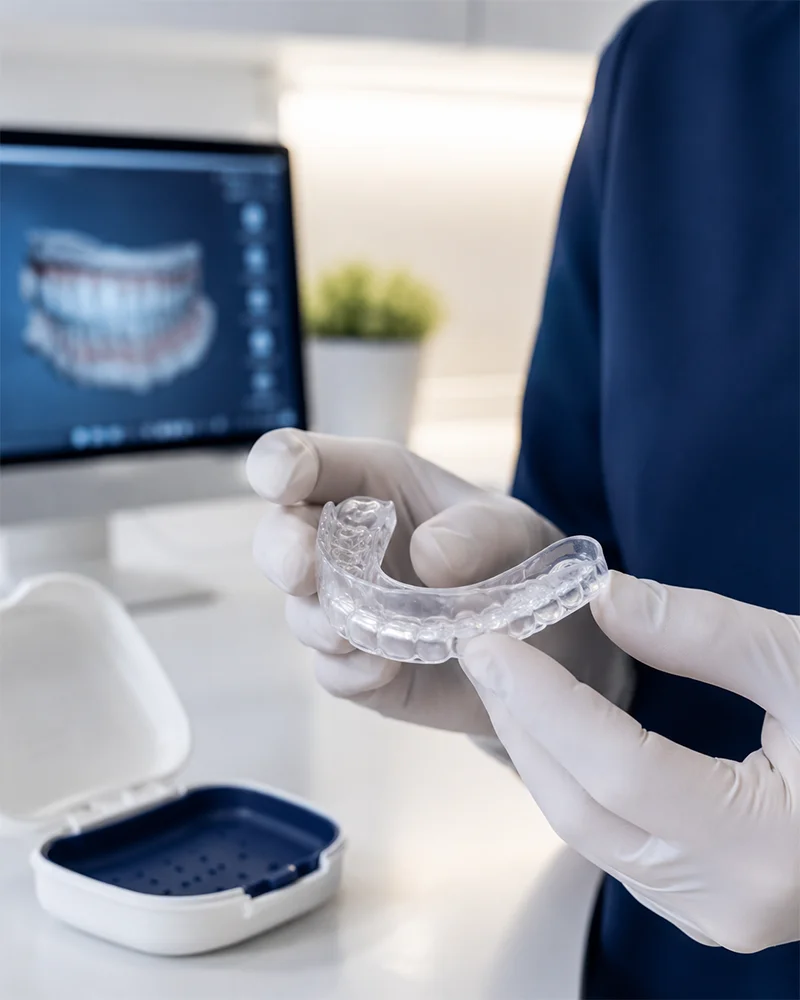
A custom-made night guard can help reduce direct contact between the teeth and protect the tooth surfaces from excessive forces.
Protecting Teeth and Restorations
Treatment aims to manage tooth wear, cracks and excessive forces affecting existing dental restorations.
Assessing Contributing Factors
Sleep patterns, stress, daily habits and certain medications may be considered as part of the assessment where relevant.
Referral When Appropriate
If a sleep disorder or another health condition is suspected of contributing to bruxism, referral to an appropriate healthcare professional may be recommended.
Frequently Asked Questions About Teeth Grinding and Clenching
Bruxism can be difficult to notice, particularly when it occurs during sleep. Signs may include jaw fatigue or tension on waking, tenderness in the facial muscles, headaches, tooth sensitivity or visible tooth wear. In some cases, grinding sounds during sleep may be noticed by a partner or family member. A clinical assessment of the teeth, dental restorations and jaw muscles can help identify signs associated with bruxism.
The main purpose of a night guard is not to eliminate bruxism completely, but to help reduce direct contact between the teeth and protect the teeth and existing restorations from excessive forces. Depending on the factors contributing to bruxism, other approaches may also be considered alongside a night guard.
Persistent bruxism involving significant forces can contribute to tooth wear and sensitivity. In some cases, the additional stress placed on the teeth, fillings or crowns may also increase the risk of cracks or fractures. Early assessment of existing tooth wear and the effects of bruxism can therefore be important.
Bruxism does not always have a single cause. Stress and daily habits, as well as sleep-related factors, certain medications and individual circumstances, may be associated with teeth grinding or clenching. Assessment therefore considers not only the teeth, but also your symptoms and any other relevant contributing factors.
The length of time a night guard is recommended can vary depending on the signs of bruxism, the degree of tooth wear and your individual treatment plan. It is generally worn during sleep for as long as recommended by your dentist. At regular check-ups, the fit of the guard, changes to the teeth and any ongoing symptoms can be reviewed, and the recommended wear schedule adjusted where necessary.
Get in Touch
Speak with our team via phone or WhatsApp to learn more about this treatment and receive personalised advice.