Implant & Oral Surgery
Planning and Surgical Approach to Implant Treatment
Dental implant treatment and oral surgery begin with a detailed assessment of the teeth, jaws and surrounding structures. From replacing a single or multiple missing teeth to full-arch implant treatment, insufficient bone volume and surgical tooth extractions, the appropriate approach is planned according to each patient’s clinical findings.
Throughout the planning process, bone structure, surrounding tissues, anatomical structures and the final dental restoration are considered together. Modern techniques such as digital imaging and three-dimensional planning help coordinate the surgical procedure with the restoration that will follow, creating an integrated approach from implant placement through to the final teeth.
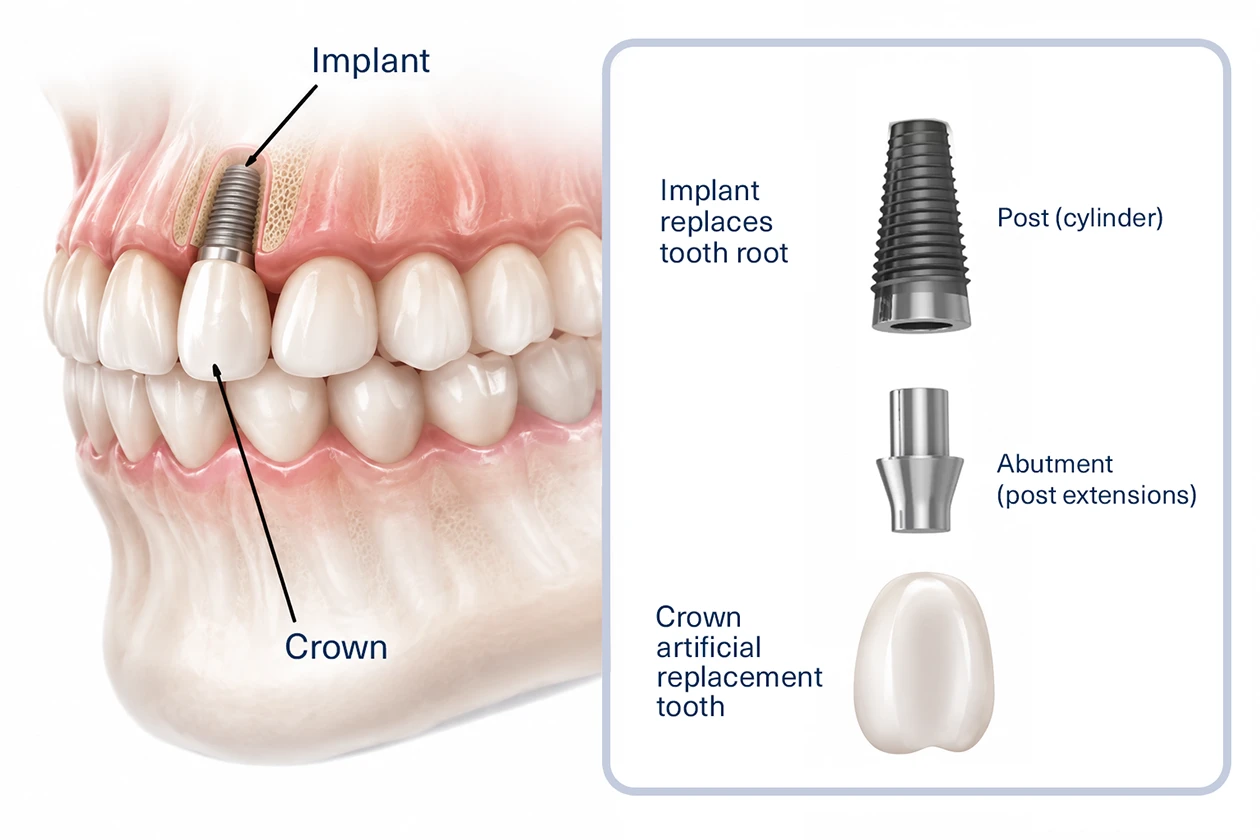
What Are Dental Implants?
Dental implants are artificial tooth roots placed into the jawbone to support restorations that replace missing teeth. Most dental implants used today are made from titanium and are designed to form a biological connection with the surrounding bone during the healing process.
Implant treatment can be used to replace a single missing tooth, several missing teeth or, with different treatment options, a complete arch of teeth. The number of implants required and the treatment approach are determined by the location of the missing teeth, the available bone and the type of restoration that will be supported.
Why Is Planning Important in Dental Implant Treatment?
A successful, long-term outcome with dental implants depends on more than simply placing an implant into the jawbone. The position, angle and depth of the implant need to be considered alongside the surrounding anatomical structures, available bone volume and the dental restoration that the implant will support.
For this reason, treatment planning begins before surgery. Clinical examination, three-dimensional imaging and digital planning allow the implant site to be assessed in detail, helping to plan the surgical stage in coordination with the final restoration.
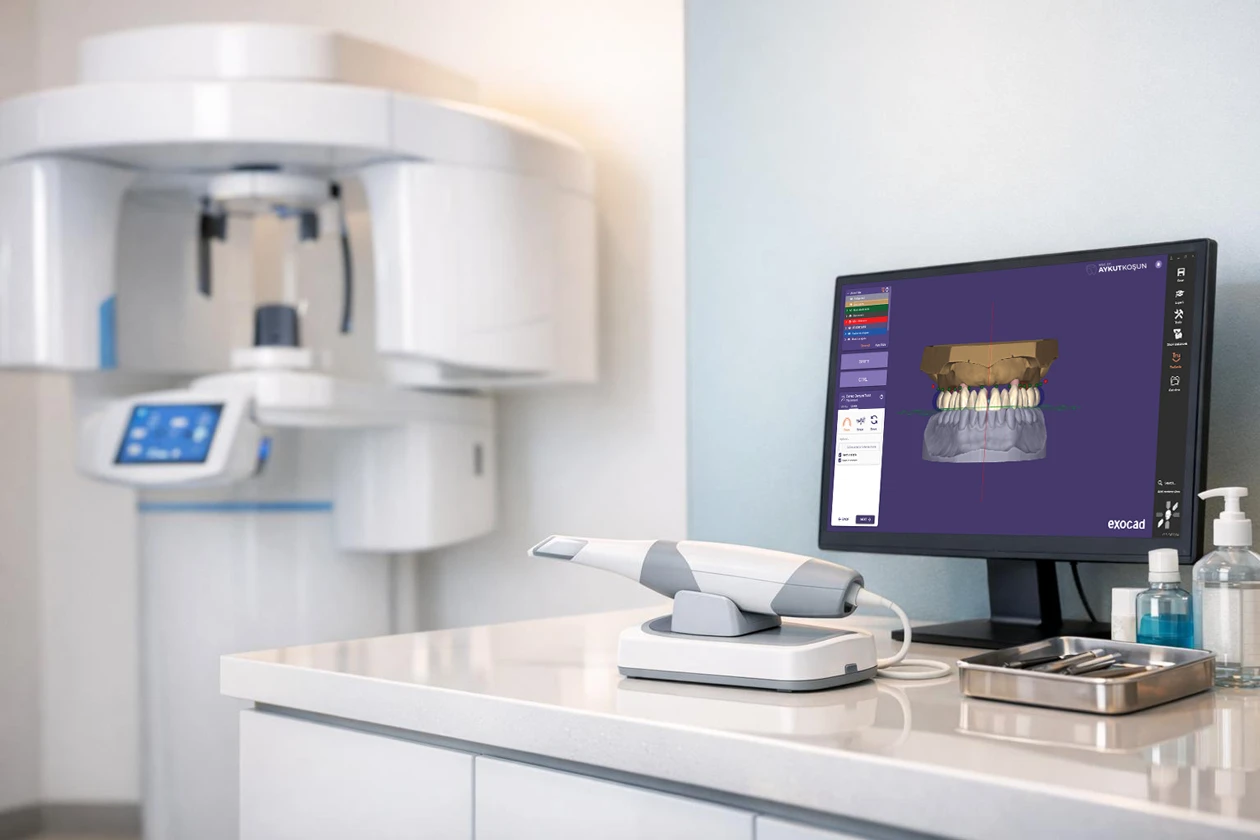
3D Imaging
3D assessment of the jawbone and surrounding anatomical structures.
Implant Positioning
Planning the position, angle and depth of the implant before surgery.
Restorative Planning
Incorporating the dental restoration supported by the implant into the overall treatment plan.
Surgical Approach
Determining the appropriate surgical approach based on the clinical findings.
Computer Guided Implant Surgery
In computer-guided implant surgery, the position of the implants is planned before the procedure using three-dimensional imaging and digital data. The available bone, surrounding anatomical structures and planned dental restoration are assessed together to determine the appropriate position, angle and depth for each implant.
Where appropriate, a patient-specific surgical guide is created based on the digital treatment plan. During the procedure, this guide helps position the implants according to the pre-planned location, angle and depth, providing greater control between the digital plan and its surgical implementation.
3D Imaging
The jawbone and surrounding anatomical structures are assessed using three-dimensional imaging. When required, data from an intraoral digital scan can also be incorporated into the planning process.
Virtual Implant Planning
The position, angle and depth of the implants are planned using three-dimensional images. The available bone, surrounding anatomical structures and planned dental restoration are considered together.
Guided Implant Placement
In suitable cases, a patient-specific surgical guide is created according to the digital plan. The guide helps position the implants at the planned location, angle and depth during surgery.
How Does the Implant Treatment Process Work?
Dental implant treatment involves a series of coordinated stages, from the initial examination and planning through to implant placement and the fitting of the final teeth. The treatment timeline and approach may vary depending on the number of missing teeth, the available bone, the implant sites and the type of restoration planned.

Examination & Assessment
The current condition of the teeth and mouth is assessed, together with the patient’s general health and any factors that may affect treatment. The implant sites and individual treatment requirements are then identified.

3D Imaging & Treatment Planning
The jawbone, proposed implant sites and surrounding anatomical structures are assessed using three-dimensional imaging. The implant positions and the restorations they will support are planned based on these findings.

Implant Placement
Following the treatment plan, the implants are placed into the jawbone under appropriate anaesthesia. The surgical approach is determined according to the individual clinical requirements of the case.

Healing & Temporary Teeth
The healing period is monitored while the implants integrate with the surrounding bone. Depending on the treatment plan and the initial stability of the implants, temporary teeth may be provided during this stage.

Final Teeth
Once healing is complete, the planned final restorations are prepared and fitted to the implants. Appearance, chewing function and the bite are carefully assessed to complete the restorative stage of treatment.
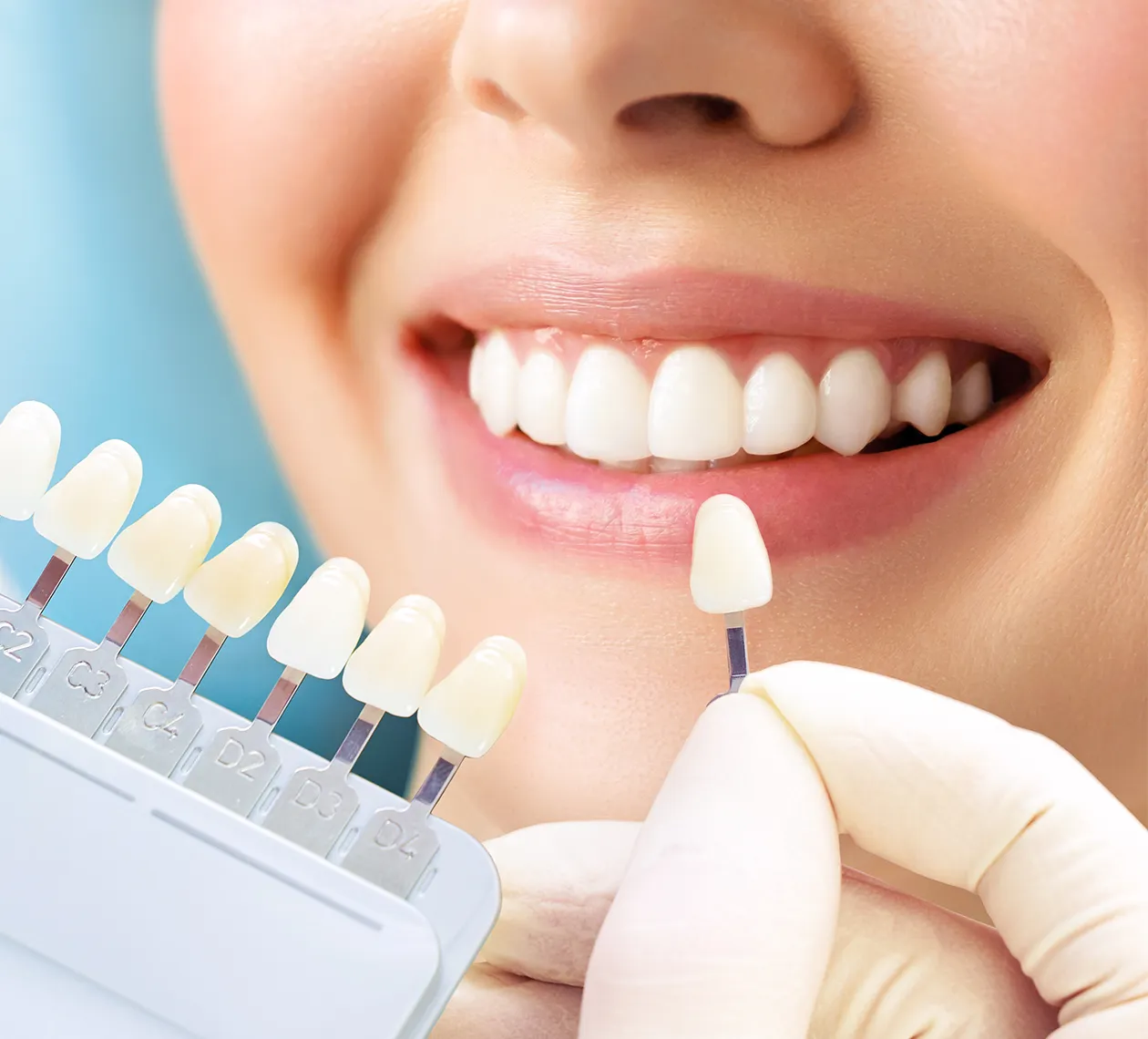
Can Temporary Teeth Be Fitted on the Same Day as Dental Implants?
In suitable clinical cases, fixed temporary teeth may be fitted on the same day the dental implants are placed. This approach requires careful assessment of the available bone, the initial stability and position of the implants, and the forces placed on them during biting and chewing.
MSc. Dt. Aykut Koşun, combines his clinical experience in implant surgery and full-arch implant treatment with digital planning, taking an integrated approach from the surgical stage through to the fitting of temporary and final teeth.
Suitability for same-day fixed temporary teeth is determined following a clinical examination and digital treatment planning. To learn more about this treatment approach, explore the Fast & Aesthetic® implant system.
Implant & Oral Surgery Treatments
In some cases, dental implant treatment may be planned alongside additional surgical procedures. Depending on the available bone, the position of the teeth and individual treatment requirements, different surgical approaches may be considered. You can explore the treatments below for more detailed information.
Frequently Asked Questions About Dental Implants
Dental implants are usually placed under local anaesthesia, so you should not feel pain during the surgical procedure. Some mild discomfort, tenderness or swelling may occur afterwards. The recovery period can vary depending on the surgical approach and your individual clinical condition.
The treatment timeline varies depending on the number of implants, the available bone, the surgical approach and whether any additional procedures are required. Some treatments can be completed within a shorter timeframe, while cases requiring a healing period for the implants to integrate with the bone or additional bone augmentation procedures may take several months.
No. When several teeth are missing, it is not always necessary to place a separate implant for every missing tooth. The number of implants required depends on the location of the missing teeth, the available bone and the type of restoration planned.
General health, bone condition and healing capacity are usually more important than chronological age when considering dental implant treatment. Implants are generally not recommended for younger patients whose jaw development is not yet complete, while older age alone does not necessarily prevent someone from having implant treatment.
In some cases, insufficient bone volume can be addressed with additional surgical procedures. For example, when there is not enough bone height in the back of the upper jaw, procedures such as a Sinus Lift may be considered.
The lifespan of dental implants depends on several factors, including oral hygiene, regular dental check-ups, general health, smoking and the health of the tissues surrounding the implants. With good care, dental implants can last a lifetime, but maintaining good daily oral hygiene and attending regular dental check-ups are important for their long-term success.
Good daily oral hygiene is important for maintaining the health of dental implants and the surrounding tissues. The tissues around the implants and the implant-supported restorations should also be assessed during regular dental check-ups.
In suitable clinical cases, fixed temporary teeth may be fitted on the same day the implants are placed. The available bone, initial implant stability and biting and chewing forces need to be assessed when determining whether this approach is appropriate. For more information, explore our Fast & Aesthetic® treatment page.
Learn More About Dental Implant Treatment
To learn more about dental implant treatment and oral surgery, or to request a consultation, contact us by phone or WhatsApp.